AI integration and chatbot development that does real work
We build Telegram and Bale bots, chatbots and LLM assistants that are wired into your actual data and workflows — not a decorative chat bubble on your homepage.
Our AI integration services start with a plain question: which repetitive task is eating your team’s week? Order intake, the same twenty customer questions, bookkeeping entries, product copy. We build a bot or assistant that does exactly that job with scoped access to your systems — in natural language, inside Telegram, Bale, your website or your internal panel — so the work gets done rather than merely discussed in a chat window.
We know this from our own products. In Paradise Desk, users type a transaction as an ordinary Persian sentence in a ⌘K palette or in Telegram and the system turns it into a structured record; a Bale bot and a Gemini assistant are available on paid plans. In Valira, an AI product factory produces a ZIP with three images, store copy and a manifest for each product, and an admin previews and confirms it before anything is published.
That is where an off-the-shelf chatbot and a custom one part ways. Hosted chatbot tools are quick and cheap for generic FAQs, but they cannot see your stock, your CRM or your pricing rules, and your data lives on someone else’s terms. We pick the right model — OpenAI, Gemini or a local model through Ollama — and connect it to your system with validation, logging and a human approval step where mistakes would be costly.
What we build
Telegram bot development
Bots for orders, support, notifications and operator work, connected to your own API and database, with menus, forms and role-based access.
Bale bot development
Bots for audiences on the Bale messenger — like Hamdor, which runs its bot inside the API process over long polling, with no extra service to babysit.
Chatbots and AI assistants
Assistants that understand colloquial Persian, English and Arabic, answer from your documents and data, and hand off to a person when unsure.
LLM and ChatGPT integration
OpenAI and Gemini wired into your product with structured output, cost controls, caching and fallback between providers or a local Ollama model.
AI automation
Manual work — data entry, ticket triage, report summaries — turned into automated flows with a human review step where it matters.
AI for ecommerce
Product images and copy, shopping Q&A and recommendations, following the Valira product-factory pattern of preview and admin approval.
How we work
- 01
Pick one concrete job
Instead of a do-everything chatbot, we choose one process with a clear input and output, and collect real examples from your team.
- 02
Model, data and boundaries
We decide cloud or local model, what data the bot may read, and which actions require a person to approve before they run.
- 03
Build against an evaluation set
The bot is tested on those real examples; structured output is validated, and every wrong answer becomes a new test case.
- 04
Launch and monitor
We deploy to your server or the cloud, log token spend and failures, and keep improving the bot from real conversations.
Related work
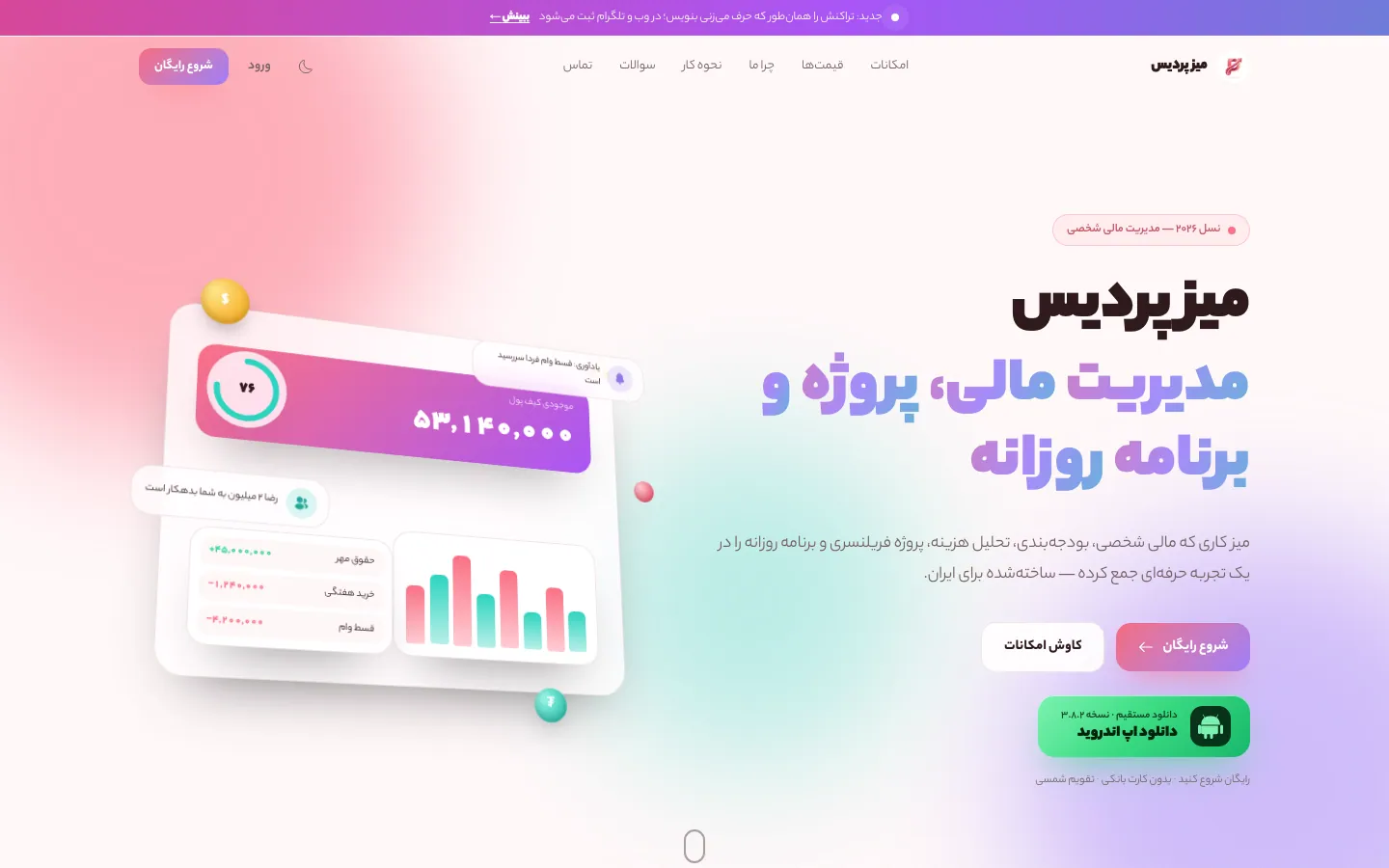
Paradise Desk
Money, projects and your day — in your own language.
- Web app or website
- Mobile app
- AI & automation
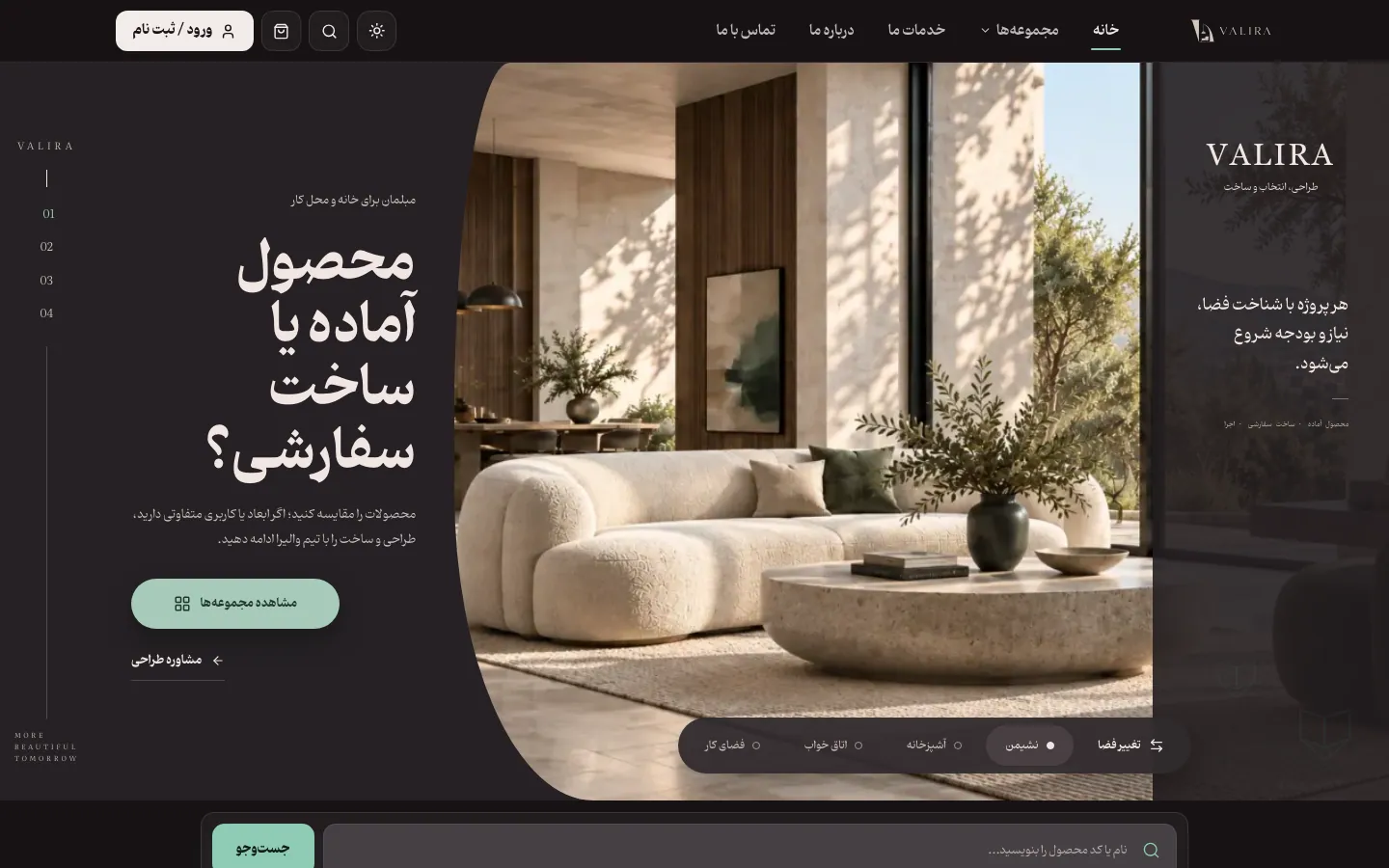
Valira
From choosing a product to furnishing the whole space.
- Online store
- Web app or website
- AI & automation
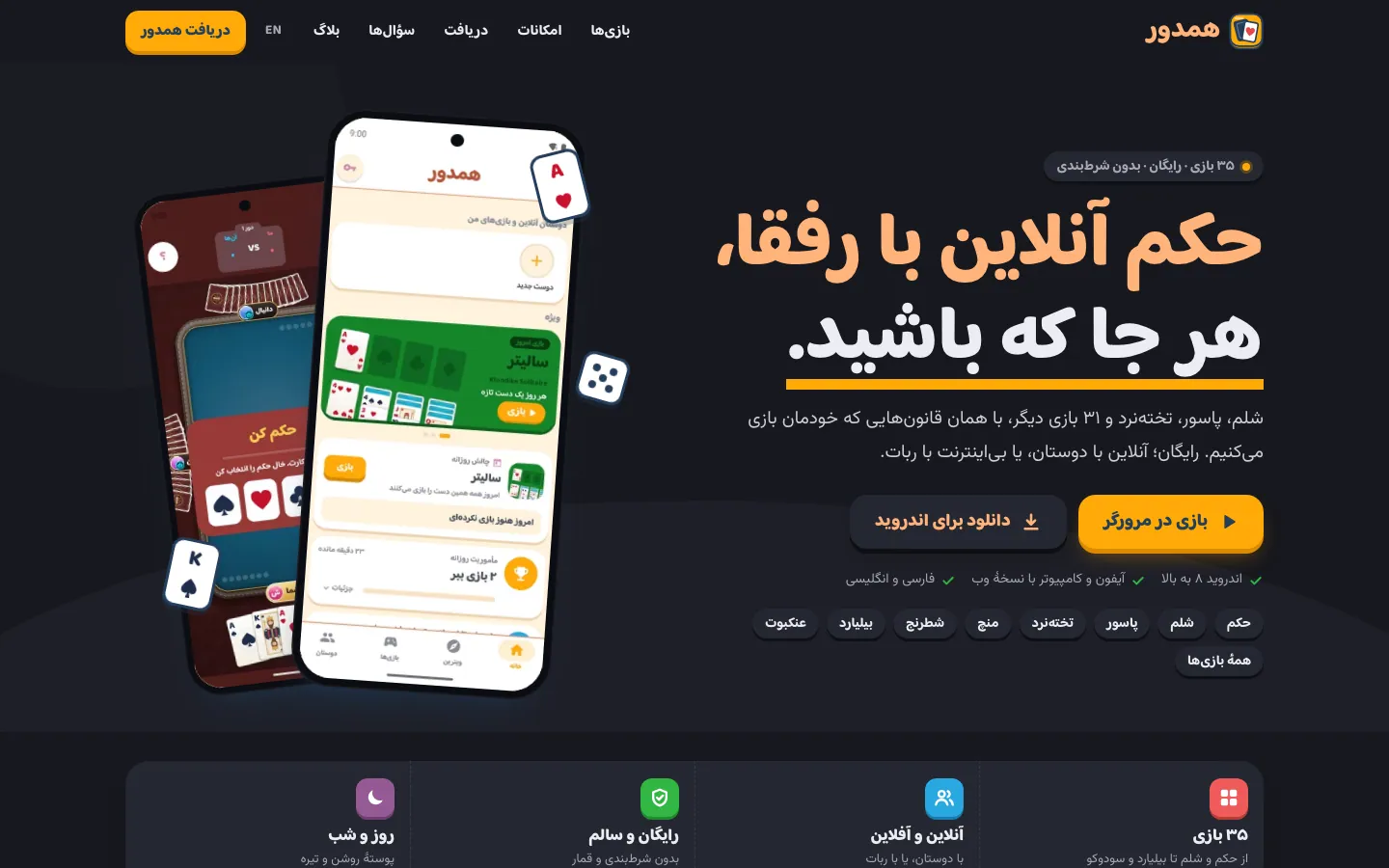
Hamdor
Game night with friends, wherever you are.
- Game
- Mobile app
- Web app or website
What drives the cost?
Cost depends mostly on whether the bot only answers questions or actually acts inside your systems. We walk through the process together before we estimate.
- How many existing systems it connects to, such as CRM, inventory or accounting
- Cloud model versus a local model on your own server, and expected token volume
- Number of channels: Telegram, Bale, website, internal panel
- Whether you need an admin panel, human approval flow and reporting
- How much data and documentation must be prepared and kept current for answers
Frequently asked questions
How much does Telegram bot development cost?
There is no single number, because a “Telegram bot” can be a simple notification menu or a tool that takes orders, reads live stock and tracks payments. Cost is driven by how many of your systems it touches, whether you need an admin panel, and whether an LLM is involved. We recommend starting with one well-defined job: a small bot that works reliably earns its keep quickly and can grow from there. For a real estimate, we walk through your current process together in a short call.
Should we buy an off-the-shelf chatbot or invest in custom chatbot development?
If you only answer generic, stable questions, a hosted chatbot is usually enough and cheaper. Once the bot needs live data — prices, stock, order status, customer accounts — or has to take real actions in your system, off-the-shelf tools hit a wall. A custom bot keeps your data, business rules and model costs under your control. Sometimes the right answer is both: a hosted widget for FAQs and a custom bot for operations. We will tell you honestly which fits.
Can you integrate an LLM like ChatGPT or Gemini into our existing product?
Yes — most of our AI work is exactly that. The model connects to your system through an API; if you don’t have one, we add a small NestJS layer that exposes scoped access to your database or services. We use structured output so responses can be validated before anything is written, cache repeat requests to control cost, and can fall back between providers or to a local Ollama model. Your current site or app stays as it is; the AI layer sits beside it.
Does AI understand Persian and Arabic well enough for customers?
Modern large models understand both well, but they still slip on Persian digits, the solar calendar, half-spaces, proper names and colloquial phrasing. So we never trust the model blindly: output is constrained to a schema, numbers and dates are validated in code, and sensitive actions sit behind a confirmation step. That approach is what lets Paradise Desk users enter transactions as ordinary Persian sentences and get correct records. With those guardrails, language quality stops being the risk.
Where does our data go with AI integration services?
With hosted APIs such as OpenAI or Gemini, prompts are sent to the provider’s servers, and we review each provider’s data-retention terms with you before starting. For sensitive data there are three options: mask personal information before sending, send only the minimum the task needs, or run a local model with Ollama on your own server so data never leaves your infrastructure. Local models give more control but trade off answer quality and hardware cost, which we size honestly.
What is the difference between a Telegram bot and a Bale bot?
Architecturally they are close: both offer a bot API and can receive messages through webhooks or long polling. The differences are in API details, limits and audience. We usually write the bot’s logic once and add a thin adapter per messenger, so one codebase serves both channels. In Hamdor, the Bale bot runs inside the API process over long polling, so there is no separate service to operate. If your users are on both messengers, building for both at once is sensible.
Further reading
LLM Features in B2B Products — Without the Hype
AI belongs in a B2B product when it measurably cheapens a repetitive, costly job. This framework helps you move from shiny demos to features you can sell and support.
LLM API cost-control patterns
Cache and evals. A practical guide with a real scenario and execution checklist for LLM API cost-control patterns.
AI eval harness for product features
Quality regressions. A practical guide with a real scenario and execution checklist for AI eval harness for product features.