Web application development for the way your business actually runs
We build admin panels, dashboards, SaaS products and internal tools with Next.js and NestJS — from the data model and API to the screens your operators use every day.
Web application development is a different discipline from building a website. A visitor glances at a website and leaves; employees, customers and operators use an application for hours every day. The real questions are whether data is stored correctly, whether access is controlled correctly, and whether the system stays fast as users and records grow. We start custom software from the data model and the business process rather than from screens, because a mistake at that layer is the most expensive one to fix later.
Choosing between off-the-shelf software and custom development is a financial decision, not a matter of taste. If an existing CRM or SaaS tool covers ninety percent of what you need, we will usually tell you to use it. Custom development makes sense when your process is genuinely specific, several systems need to talk to each other, local calendars and rules matter, or per-seat subscriptions become heavy as the team grows. Our stack is Next.js and React on the front end, NestJS and TypeScript on the back end, and PostgreSQL or MongoDB depending on the shape of the data.
We have run this stack at real scale in our own products. Paradise Desk has been in continuous development since 2023 and has 67 backend modules serving the web app, a PWA, a native Android app and two bots from a single account. The Valira platform has 29 NestJS modules, 198 endpoints and 58 admin pages, including an invoice builder, finance, campaigns and an AI-assisted catalog import that never publishes anything without an admin's confirmation.
What we build
Admin dashboard development
Admin panels for orders, users, content, finance and reporting, with filterable tables, bulk actions and an audit log.
Reporting dashboards
Dashboards that show real business metrics from your own data — not decorative charts — with date filters and spreadsheet export.
SaaS development
Multi-tenant products with sign-up, subscriptions, roles and per-organization data isolation, from MVP to a version that scales.
Backend and API development
NestJS back ends with versioned, documented APIs, JWT authentication, role-based access and queues for background work.
Internal tools and automation
Replace spreadsheets and manual workflows with a tool that keeps data in one place and automates the repetitive steps.
Systems integration
Connect payment gateways, SMS, CRM, accounting, Telegram bots and AI services through webhooks you can rely on.
How we work
- 01
Process map and data model
We talk to the people who will use the system, map the current process, and define entities, roles and access rules before writing code.
- 02
A small, working first release
The MVP covers one complete workflow end to end so it can be tested on real data early, instead of everything being half built.
- 03
Visible sprints
Every sprint ships to a staging environment; automated tests and CI/CD run from the start, and the API is documented alongside the code.
- 04
Deploy, monitor, hand over
We deploy with Docker to your server, configure logging, backups and alerts, and hand over the source code and architecture notes.
Related work
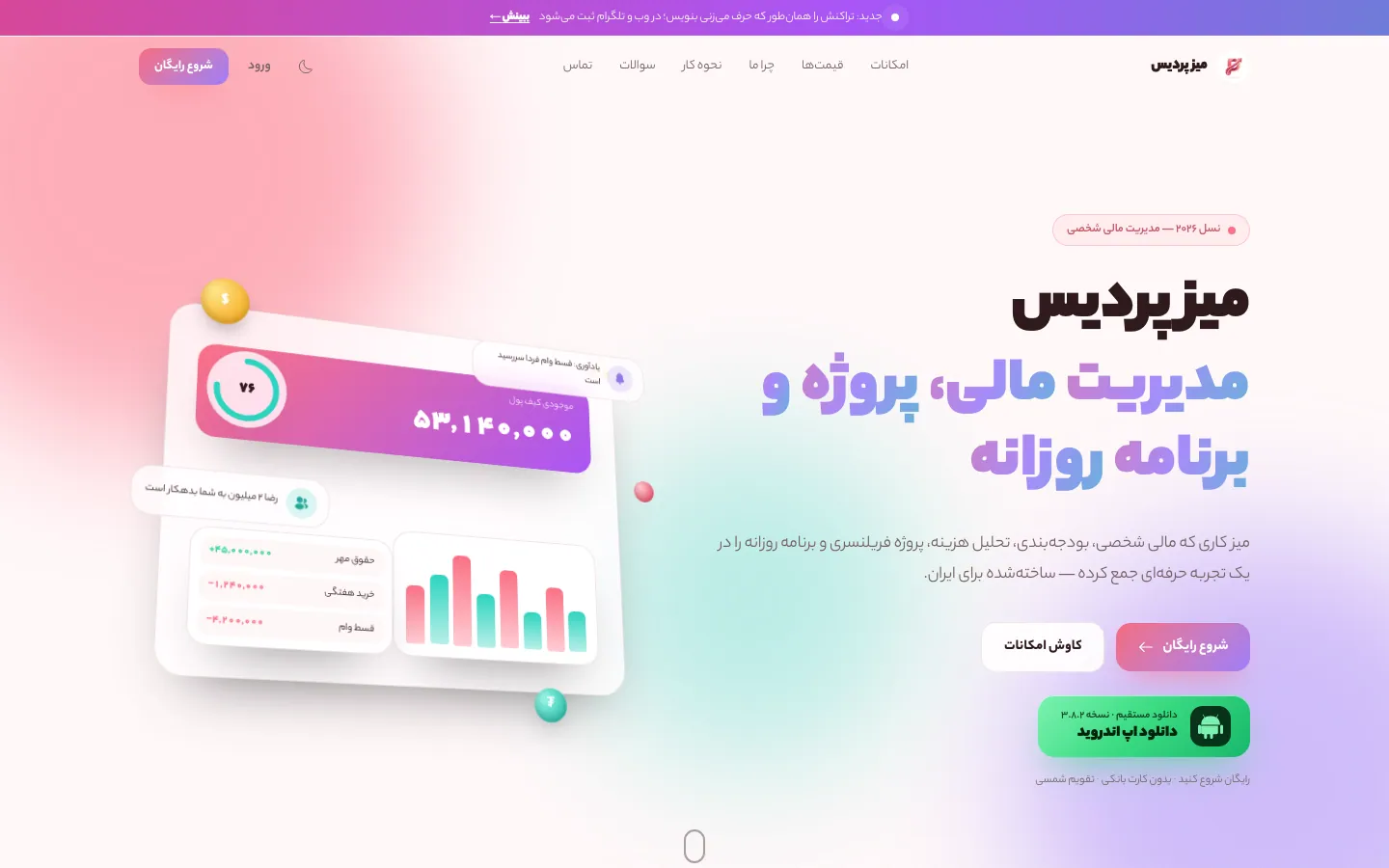
Paradise Desk
Money, projects and your day — in your own language.
- Web app or website
- Mobile app
- AI & automation
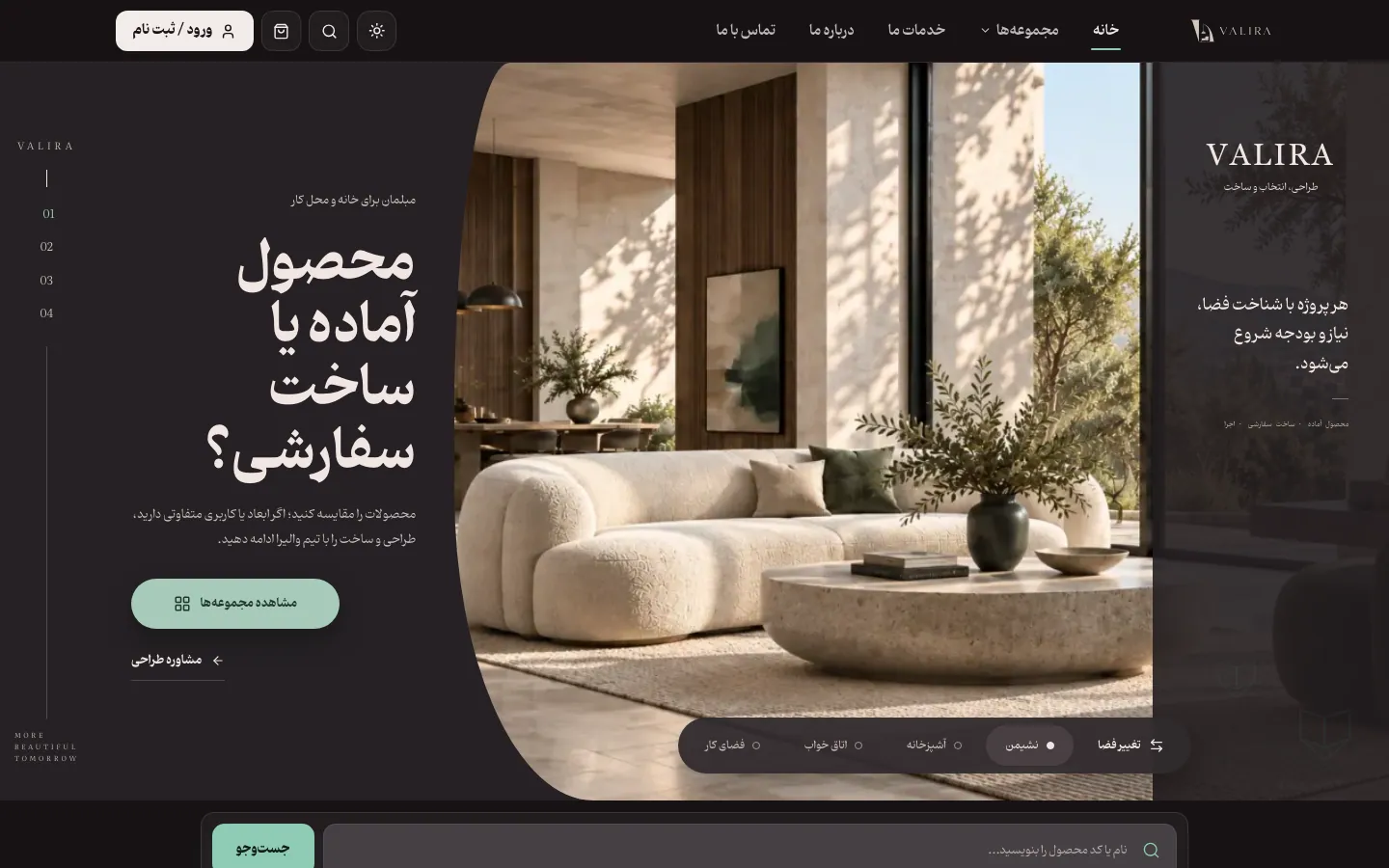
Valira
From choosing a product to furnishing the whole space.
- Online store
- Web app or website
- AI & automation
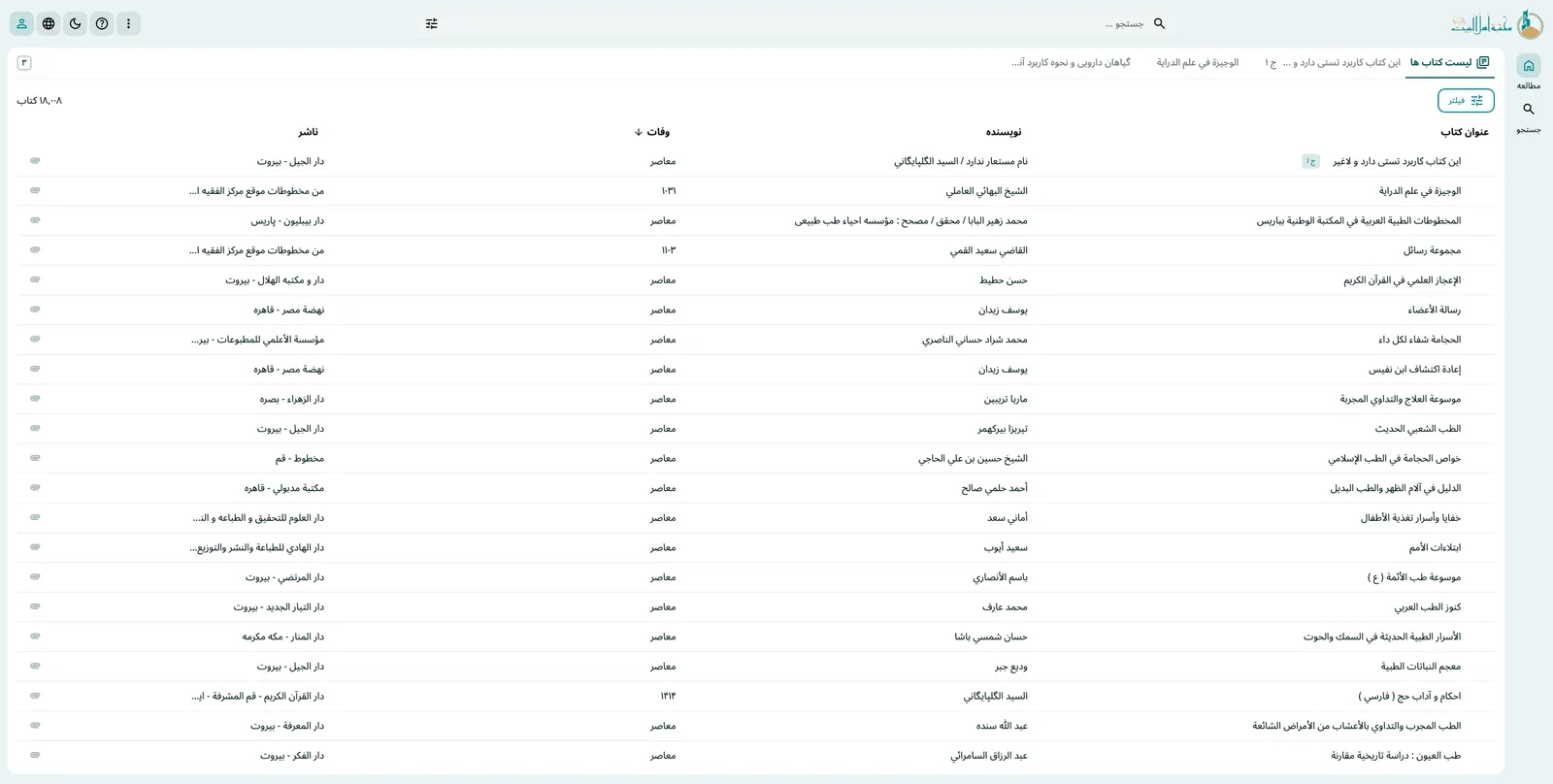
Online research reading platform
Data-heavy product
- Web app or website
- Product design
What drives the cost?
Custom software cost is set by the number of workflows and how complex the business rules are. We usually start with a clearly scoped first release so the investment stays phased and under control.
- The number of workflows, user roles and the complexity of access rules
- How many external systems we integrate with, and how well documented they are
- Data volume, heavy reporting needs and migration from a legacy system
- Multi-tenancy, subscriptions and billing for SaaS products
- Required levels of availability, security, audit logging and post-launch support
Frequently asked questions
How much does web application development cost?
Web application development cost depends on the number of workflows, user roles, external integrations and data volume, and two projects that look similar can differ enormously in complexity. That is why we hold a discovery session and document the workflows before estimating. We then split the work into a first release and later phases, so you invest first in the part that delivers the most value and decide on the next phases with real usage data in hand.
Should I build custom software or use an off-the-shelf SaaS tool?
If a ready-made tool covers most of your needs and your process fits it, it is usually cheaper and faster. Custom software development wins when your process is your competitive advantage, several systems need to share data, per-seat subscription costs climb as the team grows, or you need local calendars and rules the tool does not support. A simple test: if your team spends a large share of its time working around the limits of the current tool, it is time to build.
What are the benefits of a custom admin dashboard?
Off-the-shelf panels are built for everyone, which means they fit no one precisely. A custom admin dashboard shows exactly the tasks your operators do every day: search and filters on the columns that matter, bulk actions, keyboard shortcuts and error messages people can understand. The result is faster work, fewer mistakes and shorter onboarding for new staff. For Valira we built 58 admin pages — invoice builder, finance, campaigns and built-in analytics — that replaced several separate tools.
How long does custom web application development take?
It depends on scope, but what matters more than total duration is how soon you get something usable. We focus the first release on one complete workflow and work in short sprints; each sprint ships to a staging environment where you can work with real data. Projects that involve migrating data from a legacy system or integrating several external services take longer. We give a time estimate per phase after the discovery session rather than one big number up front.
Why do you use Next.js and NestJS for web development?
Both are TypeScript, so types and data contracts are shared between front end and back end, and many bugs are caught before the code runs. Next.js ships server rendering, routing and optimization out of the box and suits both admin panels and public sites. NestJS brings a modular structure and dependency injection that keep a large back end maintainable; Paradise Desk runs 67 modules on it. Both have large communities, so hiring developers to continue the work later is straightforward.
How do you keep data secure in custom software?
Security starts in the design, not at the end. JWT with refresh tokens, role-based access on every endpoint, validation of every input and rate limiting are the baseline. For sensitive data we keep an audit log so it is always clear who changed what. Dependencies are pinned and monitored, backups are automated and restores are rehearsed, and services run behind Caddy with HTTPS. We also review the OWASP Top 10 before every major release.
Further reading
Benefits of a Custom React Admin Dashboard
Off-the-shelf admin tools ship fast; a custom React panel pays off when your operations are specific. This guide clarifies benefits, costs, and ROI metrics.
SaaS vs Custom Software: ROI Analysis
Subscriptions look cheap; custom builds look expensive. Reality lives in a 24-month horizon and fit to your process. Here’s an ROI framework you can run.
Custom Software vs Ready-Made CRM
Ready-made CRMs switch on faster; custom software wins when sales and operations don’t fit the standard mold. Make the choice operational.